Hojoki: A Buddhist Reflection on Solitude, Imperfection and Transcendence
by Kamo no Chomei
Hojoki is an introspective poem written in the 13th century by the enigmatic Japanese hermit Kamo no Chomei, who as a young man served in the capital as official court poet but later in life withdrew from society.
Composed in a time of devastating fires, floods, earthquakes, droughts and famines, Chomei's masterpiece reflects on the impermanence of things, expressing life's mysterious beauty and the profound wisdom to be found in nature.
Chomei paints a vivid picture of the chaos and suffering of the human condition. Amidst this turmoil, he discovers an oasis of calm in a simple mountain hut, where he contemplates the virtues of nature and the wabi sabi beauty of imperfection in all things.
192 Pages, Hardcover
Product Information
Product Information
Shipping & Returns
Shipping & Returns
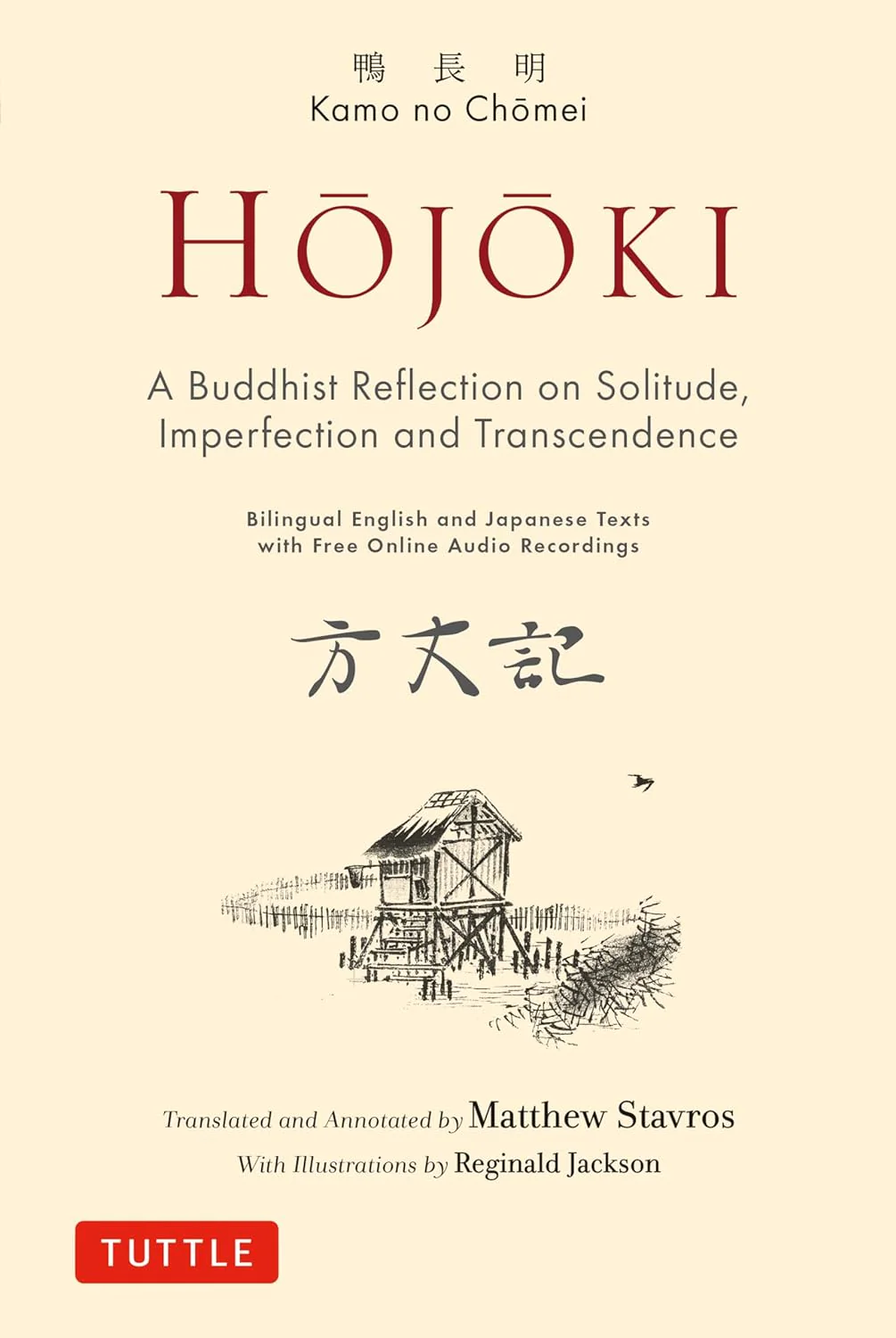
Hojoki: A Buddhist Reflection on Solitude, Imperfection and Transcendence
Hojoki: A Buddhist Reflection on Solitude, Imperfection and Transcendence
by Kamo no Chomei
Hojoki is an introspective poem written in the 13th century by the enigmatic Japanese hermit Kamo no Chomei, who as a young man served in the capital as official court poet but later in life withdrew from society.
Composed in a time of devastating fires, floods, earthquakes, droughts and famines, Chomei's masterpiece reflects on the impermanence of things, expressing life's mysterious beauty and the profound wisdom to be found in nature.
Chomei paints a vivid picture of the chaos and suffering of the human condition. Amidst this turmoil, he discovers an oasis of calm in a simple mountain hut, where he contemplates the virtues of nature and the wabi sabi beauty of imperfection in all things.
192 Pages, Hardcover
Product Information
Product Information
Shipping & Returns
Shipping & Returns
Description
by Kamo no Chomei
Hojoki is an introspective poem written in the 13th century by the enigmatic Japanese hermit Kamo no Chomei, who as a young man served in the capital as official court poet but later in life withdrew from society.
Composed in a time of devastating fires, floods, earthquakes, droughts and famines, Chomei's masterpiece reflects on the impermanence of things, expressing life's mysterious beauty and the profound wisdom to be found in nature.
Chomei paints a vivid picture of the chaos and suffering of the human condition. Amidst this turmoil, he discovers an oasis of calm in a simple mountain hut, where he contemplates the virtues of nature and the wabi sabi beauty of imperfection in all things.
192 Pages, Hardcover