Nagarjuna's Root Stanzas of the Middle Way: The Mulamadhyamakakarika
A new English translation of the founding text of the Madhyamaka (Middle Way) school of Buddhism, with the Tibetan version of the text included.
The Root Stanzas holds an honored place in all branches of Tibetan Buddhism, as well as in the Buddhist traditions found in China, Japan, and Korea, because of the way it develops the seminal view of emptiness (shunyata), which is crucial to understanding Mahayana Buddhism and central to its practice. It is prized for its pithy and pointed arguments that show that things lack intrinsic being and thus are “empty” (shunya). They abide in the Middle Way, free from the extremes of permanence and annihilation.
Paperback, 288 pages
Product Information
Product Information
Shipping & Returns
Shipping & Returns
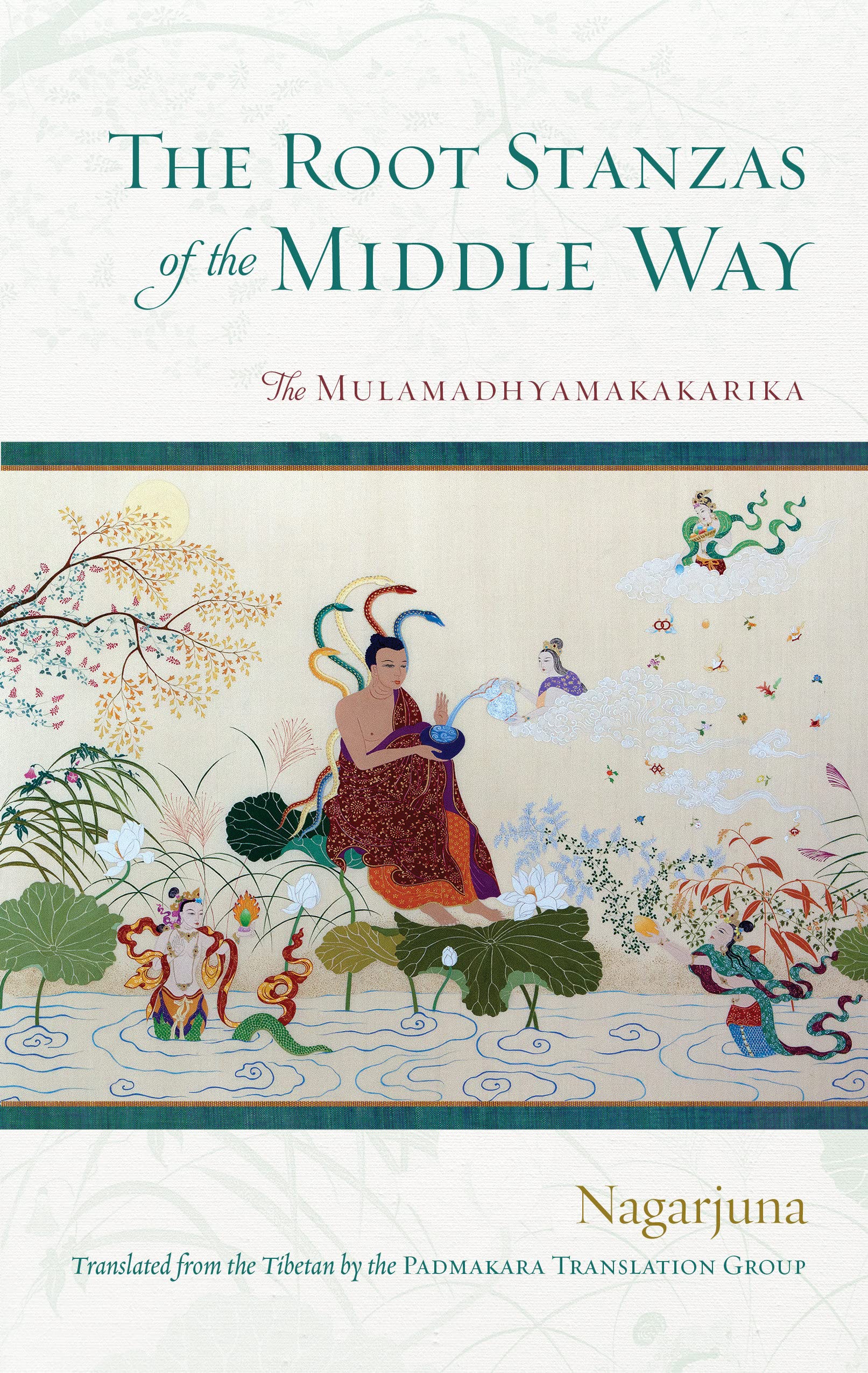
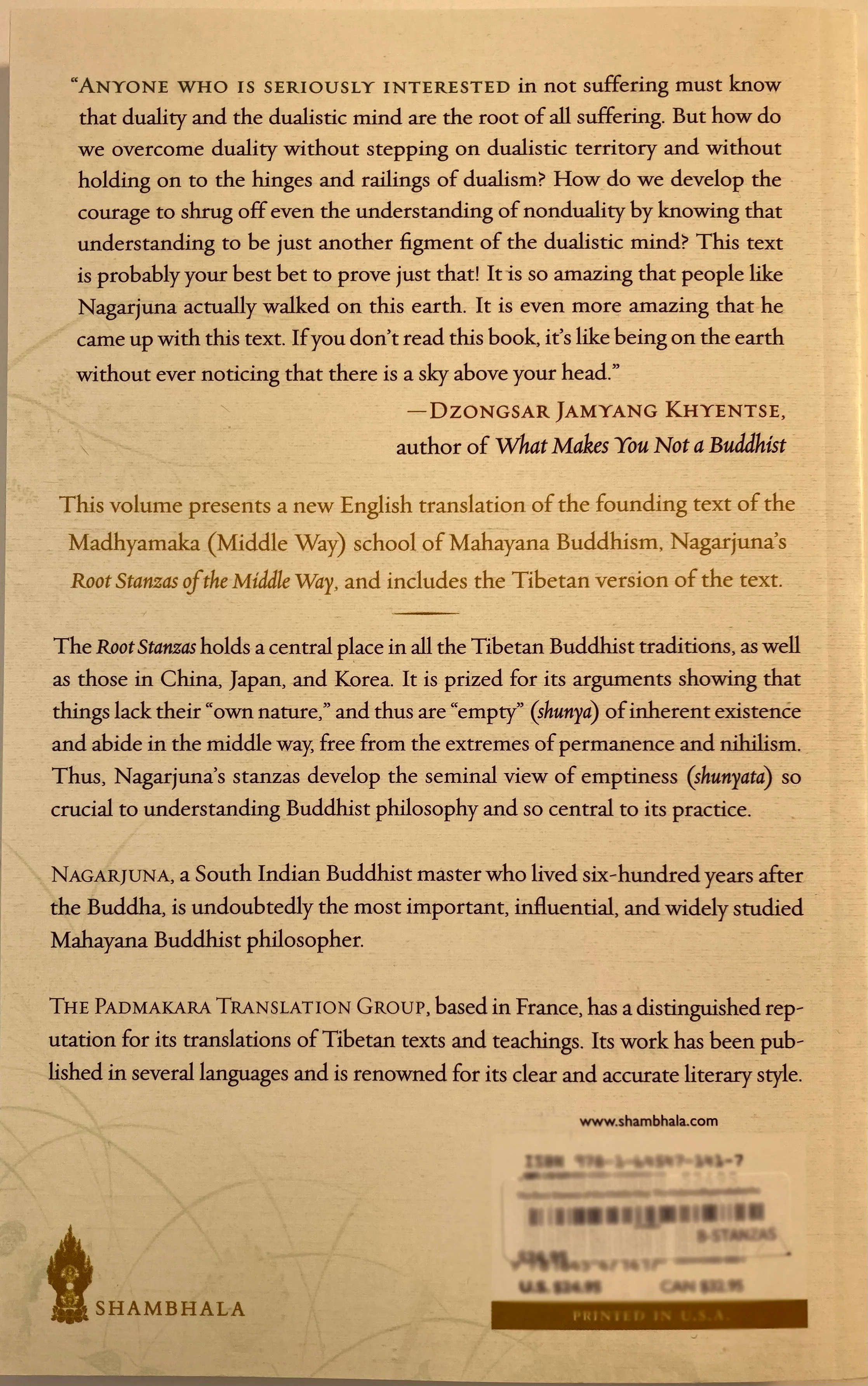
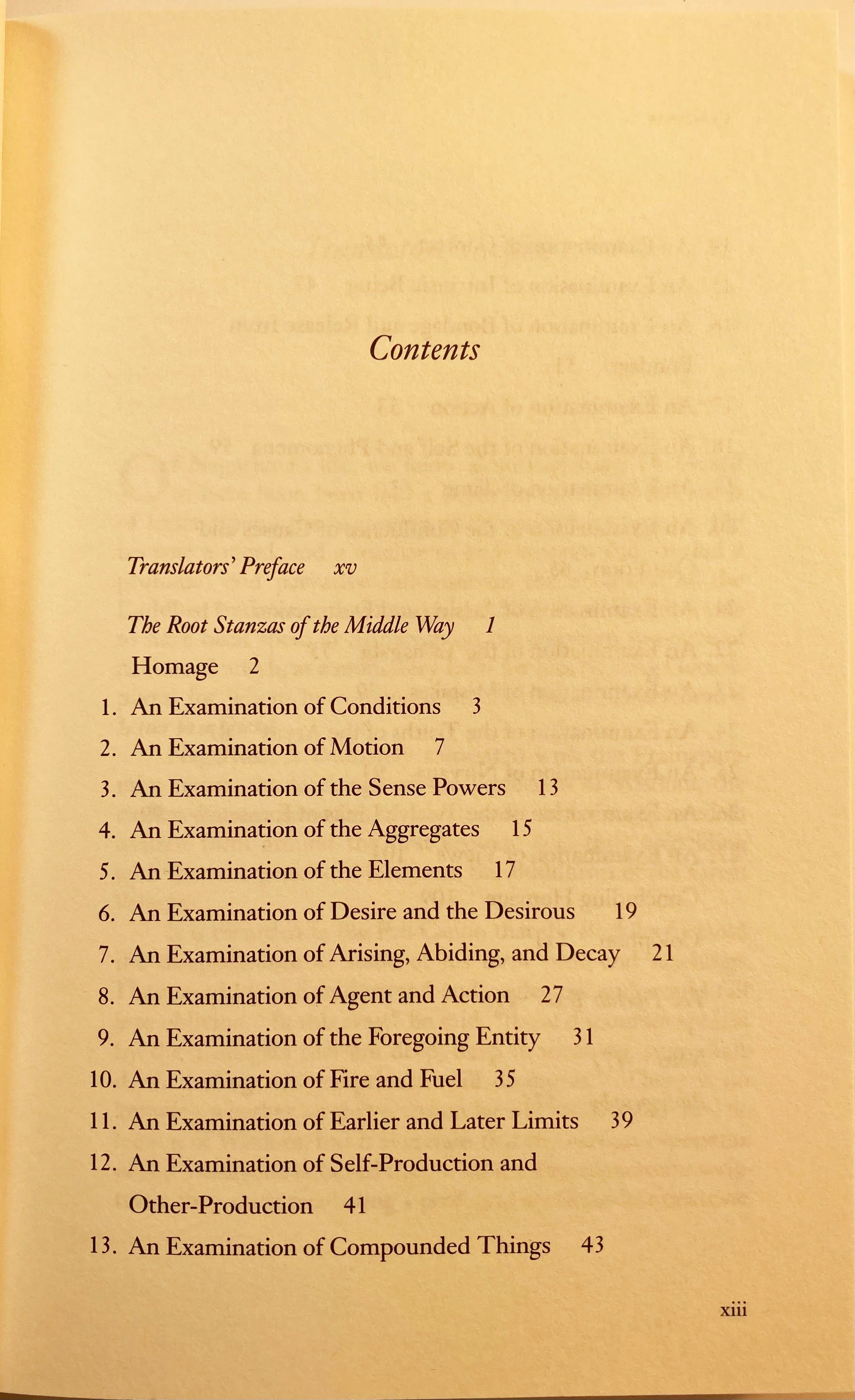
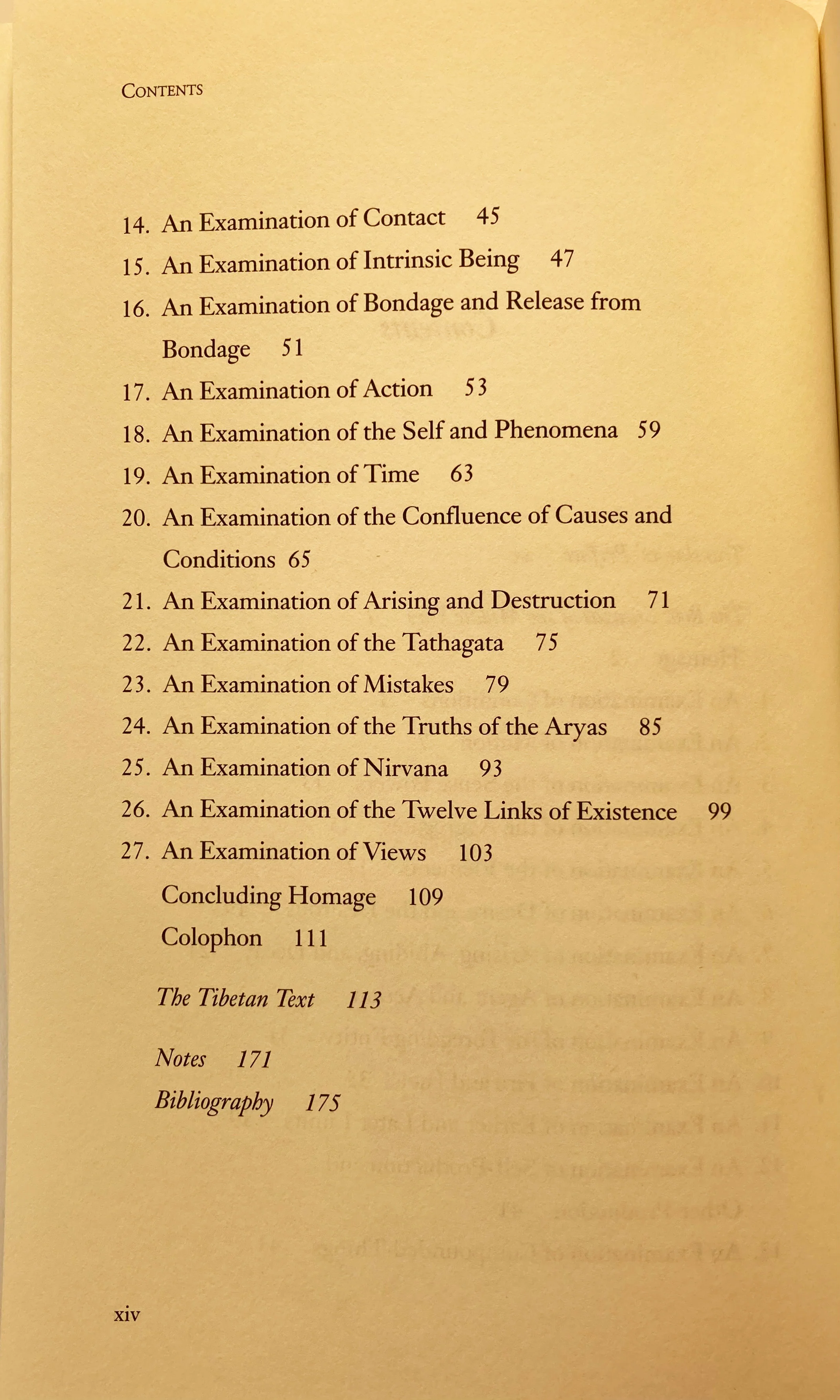
Nagarjuna's Root Stanzas of the Middle Way: The Mulamadhyamakakarika
Nagarjuna's Root Stanzas of the Middle Way: The Mulamadhyamakakarika
A new English translation of the founding text of the Madhyamaka (Middle Way) school of Buddhism, with the Tibetan version of the text included.
The Root Stanzas holds an honored place in all branches of Tibetan Buddhism, as well as in the Buddhist traditions found in China, Japan, and Korea, because of the way it develops the seminal view of emptiness (shunyata), which is crucial to understanding Mahayana Buddhism and central to its practice. It is prized for its pithy and pointed arguments that show that things lack intrinsic being and thus are “empty” (shunya). They abide in the Middle Way, free from the extremes of permanence and annihilation.
Paperback, 288 pages
Original: $24.95
-65%$24.95
$8.73Product Information
Product Information
Shipping & Returns
Shipping & Returns
Description
A new English translation of the founding text of the Madhyamaka (Middle Way) school of Buddhism, with the Tibetan version of the text included.
The Root Stanzas holds an honored place in all branches of Tibetan Buddhism, as well as in the Buddhist traditions found in China, Japan, and Korea, because of the way it develops the seminal view of emptiness (shunyata), which is crucial to understanding Mahayana Buddhism and central to its practice. It is prized for its pithy and pointed arguments that show that things lack intrinsic being and thus are “empty” (shunya). They abide in the Middle Way, free from the extremes of permanence and annihilation.
Paperback, 288 pages