Zen Keys: A Guide to Zen Practice
by Thich Nhat Hanh
The late Zen Master Thich Nhat Hanh brings his warmth and clarity to this unique explication of Zen Buddhism. Beginning with a discussion of daily life in a Zen monastery, Thay (as he is called by students) illustrates the character of Zen as practiced in Vietnam (where it is called Thien), and gives the reader clear explanations of the central elements of Zen practice and philosophy.
Thorough attention is given to concepts such as Awareness and Impermanence, and to contemporary issues such as the conflicts between modern technology and spirituality. The final section includes a set of 43 koans from the 13th century Vietnamese master, Tran Thai Tong, which are translated here for the first time into English.
Originally published in 1974, Zen Keys has been unavailable for several years but is now reissued by popular demand. Readers will find it as fresh today as when it was first written, and will be struck by the timelessness of its insights. What makes this work particularly compelling is that Nhat Hanh is able to invigorate what in other presentations may seem like empty abstract principles. The example he has set in his own life as a relentless advocate for peace brings strength and a realistic understanding to idealistic Buddhist goals.
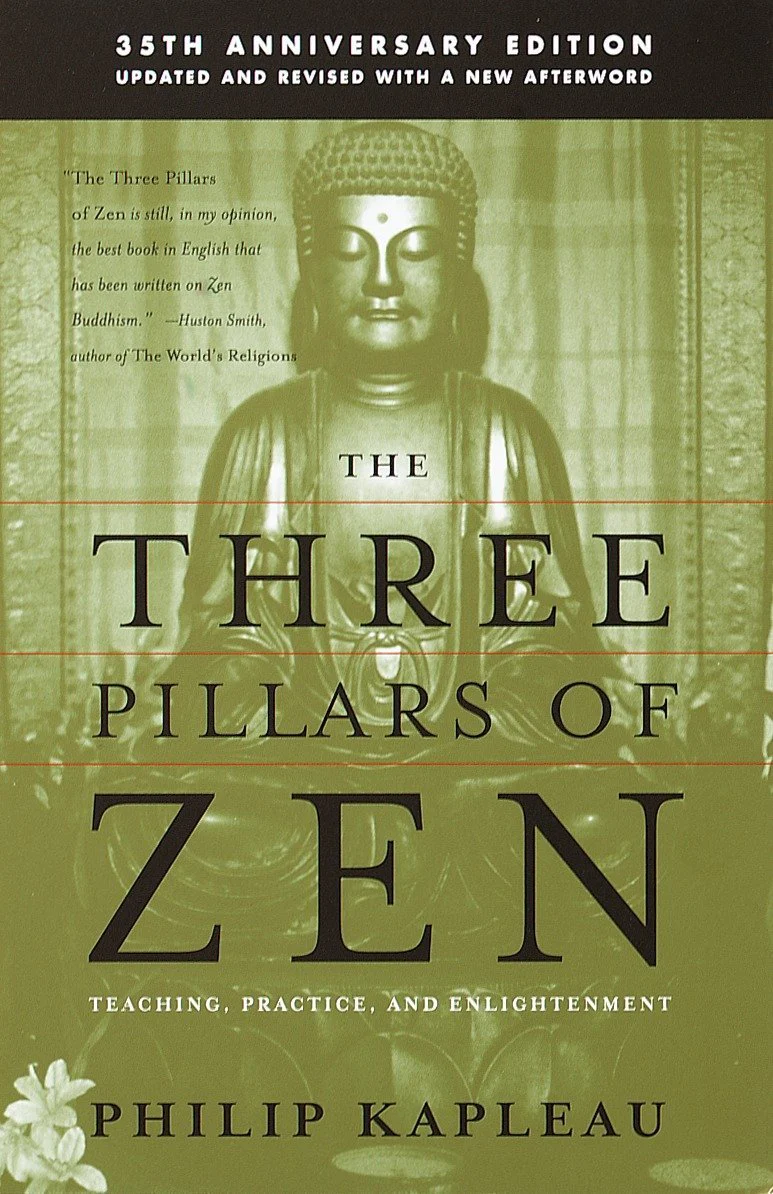
In Zen Keys, Thich Nhat Hanh presents the philosophy which has enabled him to be mindful of peace in every moment. An excellent introduction from Philip Kapleau (author of the classic Three Pillars Of Zen ) provides background on the emerging American Zen tradition.
Paperback, 198 pages
Product Information
Product Information
Shipping & Returns
Shipping & Returns
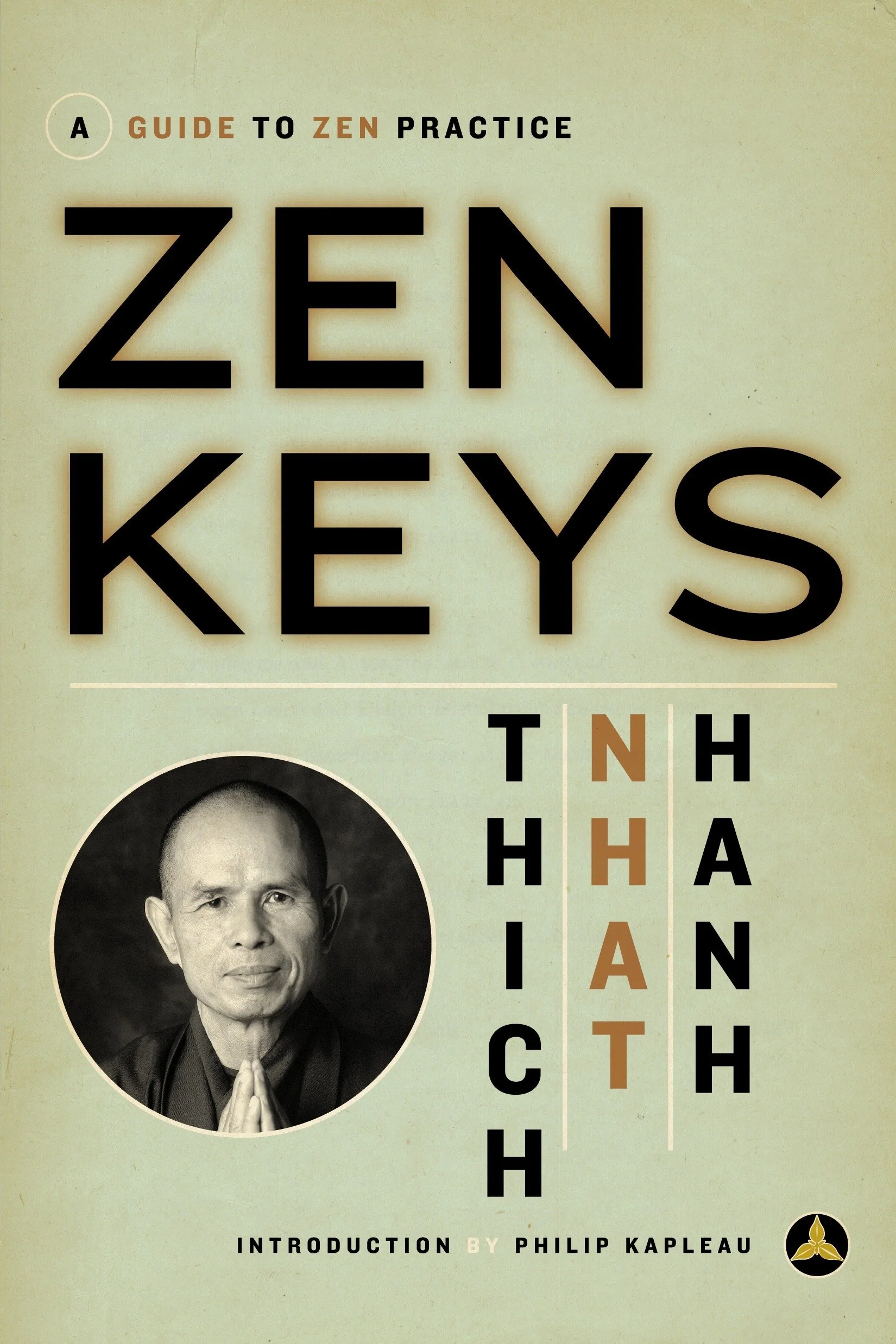
Zen Keys: A Guide to Zen Practice
Zen Keys: A Guide to Zen Practice
by Thich Nhat Hanh
The late Zen Master Thich Nhat Hanh brings his warmth and clarity to this unique explication of Zen Buddhism. Beginning with a discussion of daily life in a Zen monastery, Thay (as he is called by students) illustrates the character of Zen as practiced in Vietnam (where it is called Thien), and gives the reader clear explanations of the central elements of Zen practice and philosophy.
Thorough attention is given to concepts such as Awareness and Impermanence, and to contemporary issues such as the conflicts between modern technology and spirituality. The final section includes a set of 43 koans from the 13th century Vietnamese master, Tran Thai Tong, which are translated here for the first time into English.
Originally published in 1974, Zen Keys has been unavailable for several years but is now reissued by popular demand. Readers will find it as fresh today as when it was first written, and will be struck by the timelessness of its insights. What makes this work particularly compelling is that Nhat Hanh is able to invigorate what in other presentations may seem like empty abstract principles. The example he has set in his own life as a relentless advocate for peace brings strength and a realistic understanding to idealistic Buddhist goals.
In Zen Keys, Thich Nhat Hanh presents the philosophy which has enabled him to be mindful of peace in every moment. An excellent introduction from Philip Kapleau (author of the classic Three Pillars Of Zen ) provides background on the emerging American Zen tradition.
Paperback, 198 pages
Original: $14.95
-65%$14.95
$5.23Product Information
Product Information
Shipping & Returns
Shipping & Returns
Description
by Thich Nhat Hanh
The late Zen Master Thich Nhat Hanh brings his warmth and clarity to this unique explication of Zen Buddhism. Beginning with a discussion of daily life in a Zen monastery, Thay (as he is called by students) illustrates the character of Zen as practiced in Vietnam (where it is called Thien), and gives the reader clear explanations of the central elements of Zen practice and philosophy.
Thorough attention is given to concepts such as Awareness and Impermanence, and to contemporary issues such as the conflicts between modern technology and spirituality. The final section includes a set of 43 koans from the 13th century Vietnamese master, Tran Thai Tong, which are translated here for the first time into English.
Originally published in 1974, Zen Keys has been unavailable for several years but is now reissued by popular demand. Readers will find it as fresh today as when it was first written, and will be struck by the timelessness of its insights. What makes this work particularly compelling is that Nhat Hanh is able to invigorate what in other presentations may seem like empty abstract principles. The example he has set in his own life as a relentless advocate for peace brings strength and a realistic understanding to idealistic Buddhist goals.
In Zen Keys, Thich Nhat Hanh presents the philosophy which has enabled him to be mindful of peace in every moment. An excellent introduction from Philip Kapleau (author of the classic Three Pillars Of Zen ) provides background on the emerging American Zen tradition.
Paperback, 198 pages